Support our educational content for free when you purchase through links on our site. Learn more

Forget the static lists of the past; the future of urban gardening trends is a dynamic fusion of high-tech hydroponics, regenerative soil practices, and deep community co-ops that turn concrete jungles into edible ecosystems. We’ve moved far beyond just hanging a few pots on a fire escape to create self-sustaining micro-farms that fight climate change right from your balcony.
Did you know that a single mature tree in a city can provide the cooling effect of ten air conditioners running all day? Yet, we often overlook the power of a simple container garden to lower local temperatures and filter pollutants. The shift isn’t just about growing food; it’s about reclaiming our mental health and social fabric in dense neighborhoods.
Imagine a neighbor you’ve never spoken to suddenly handing you a basket of heirloom tomatoes grown on a rooftop just down the street. That’s the reality of the new community garden co-op model taking over 2026. It’s not about isolation; it’s about connection, resilience, and the sheer joy of harvesting your own dinner in the middle of the city.
Key Takeaways
- Vertical & Smart Tech: The biggest shift is toward modular living walls and AI-driven hydroponics that maximize tiny spaces while automating care.
- Regenerative Soil: Gardeners are ditching chemical fertilizers for deep, infrequent watering and compost-heavy mixes to build resilient root systems.
- Community First: Success now depends on shared harvests and co-op models rather than individual plots, fostering trust and social bonds.
- Climate Adaptation: Choosing drought-tolerant natives and heirloom seeds is essential for surviving unpredictable urban weather patterns.
- Edible Landscaping: Ornamental lawns are being replaced by fruit-bearing shrubs and pollinator-friendly flowers that serve a dual purpose.
Table of Contents
- ⚡️ Quick Tips and Facts
- 📜 From Concrete Jungles to Green Havens: A Brief History of Urban Gardening
- 🌱 Top 15 Urban Gardening Trends Dominating 2025 and Beyond
- 1. Vertical Forests and Living Walls for Small Spaces
- 2. Smart Hydroponic Systems for Tech-Savy Growers
- 3. Edible Landscaping Over Ornamental Lawns
- 4. Regenerative Soil Practices in Container Gardens
- 5. Pollinator-Friendly Rooftop Oases
- 6. Community Garden Co-ops and Shared Harvests
- 7. Drought-Tolerant and Native Plant Selections
- 8. Upcycled Planters and DIY Aesthetic Hacks
- 9. Micro-Greens and Sprouting for Instant Gratification
- 10. Solar-Powered Irrigation Solutions
- 1. Heirloom Seeds and Biodiversity Preservation
- 12. Balcony Beekeeping and Insect Hotels
- 13. Season-Extension Techniques for Year-Round Harvests
- 14. AI-Driven Plant Care Apps and Sensors
- 15. Biophilic Design Integration in Apartment Living
- 🏙️ Maximizing Tiny Spaces: Balcony, Rooftop, and Window Sill Strategies
- 🌿 Best Plants for Low-Light and High-Pollution City Environments
- 💧 Water Wisdom: Efficient Irrigation for Urban Dwellers
- 🐛 Pest Control Without Chemicals in Dense Neighborhoods
- 🛠️ Essential Tools and Gear for the Modern City Gardener
- 🚫 Common Urban Gardening Mistakes (And How to Avoid Them)
- 🌍 The Environmental Impact: How City Gardens Fight Climate Change
- 🤝 Building Community: Finding Local Groups and Resources
- 📊 Urban Gardening Trends Comparison: Traditional vs. Modern Methods
- 🎓 Conclusion
- 🔗 Recommended Links
- ❓ FAQ
- 📚 Reference Links
⚡️ Quick Tips and Facts
Before we dive into the concrete jungle, let’s get our hands dirty with some rapid-fire truths that every city gardener needs to know. We’ve seen too many folks buy expensive “miracle” soil mixes only to watch their basil wilt in a week. Here’s the scoop:
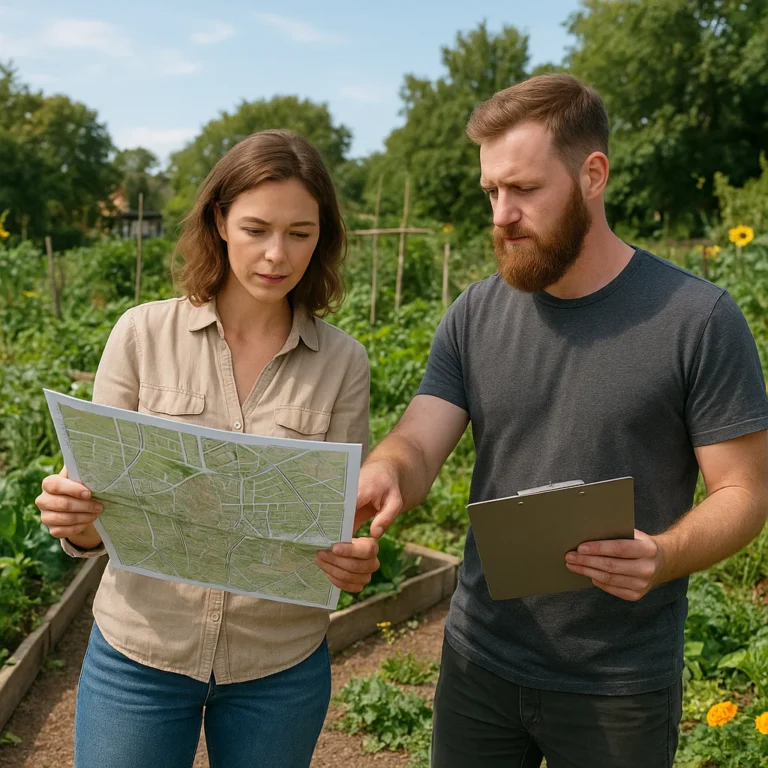
- Microclimates are King: A south-facing balcony in Chicago can be 15°F warmer than the street level just a few feet away. Always map your sun and wind patterns before planting a single seed.
- The “Low Input” Revolution: Forget the weekly fertilizer schedule. As noted in recent industry shifts, over-fertilizing actually weakens plant cell walls, making them prime targets for pests. We’re seeing a massive move toward deep, infrequent watering to encourage robust root systems.
- Soil Structure > Soil Products: It’s not about the brand of compost tea; it’s about agregation and pore space. If your soil is compacted, no amount of nutrients will help.
- Cabbage is the New Cool: Yes, you read that right. Ornamental and edible cabbages are taking over 2025/2026 trends for their hardiness and visual drama.
- Community is Non-Negotiable: You can’t just drop a garden in a neighborhood and expect it to thrive. As the Lewis Ginter Botanical Garden team discovered, listening to the community is the first step to a successful harvest.
For a deeper dive into how these small actions ripple out to create massive change, check out our guide on the core principles of community gardening.
📜 From Concrete Jungles to Green Havens: A Brief History of Urban Gardening

Urban gardening isn’t a new fad; it’s a survival instinct that’s been evolving for centuries. While we often think of it as a modern response to high grocery prices, the roots go much deeper.
The Victory Garden Legacy
During World War I and II, “Victory Gardens” were a patriotic duty. They produced nearly 40% of the fresh vegetables consumed in the US. These weren’t just backyards; they were on rooftops, in vacant lots, and even in the White House. The goal was simple: food security.
The Greening of the Ghetto
Fast forward to the 1970s and 80s. As cities faced economic decline, vacant lots became eyesores. Community groups, often led by women of color, started turning these blighted spaces into productive gardens. This wasn’t just about tomatoes; it was about reclaiming space and building social cohesion.
“It is not enough to go into a community and start a garden and expect it to flourish. There has to be a connection to the community in some way.” — Duron Chavis, Lewis Ginter Botanical Garden
This philosophy remains the bedrock of modern urban gardening. It’s not about imposing a garden on a neighborhood; it’s about growing with the neighborhood.
The Modern Renaissance
Today, we’ve moved from survival to sustainability and aesthetics. With the rise of high-tech hydroponics, vertical farming, and a renewed focus on biodiversity, urban gardening is now a blend of ancient wisdom and futuristic tech. We’re seeing a shift from “growing food” to “growing ecosystems” right in the middle of the city.
🌱 Top 15 Urban Gardening Trends Dominating 2025 and Beyond
We asked ourselves: “If PHS lists 10 trends, why stop there?” The city is a living, breathing organism, and our gardening habits need to match that complexity. Here are the 15 trends that are reshaping our concrete landscapes, from the balcony to the rooftop.
1. Vertical Forests and Living Walls for Small Spaces
Gone are the days of just hanging a few pots. We’re talking about modular living walls that turn a blank brick wall into a breathing lung. These systems aren’t just for show; they insulate buildings, reduce the urban heat island effect, and filter pollutants.
- The Tech: Systems like the GreenStalk vertical planter allow for gravity-fed irrigation, making it easy to grow 30+ plants in a 2×2 footprint.
- The Aesthetic: Think cascading strawberries, trailing herbs, and colorful leafy greens.
👉 CHECK PRICE on:
- GreenStalk Vertical Planter: Amazon | Official Site
2. Smart Hydroponic Systems for Tech-Savy Growers
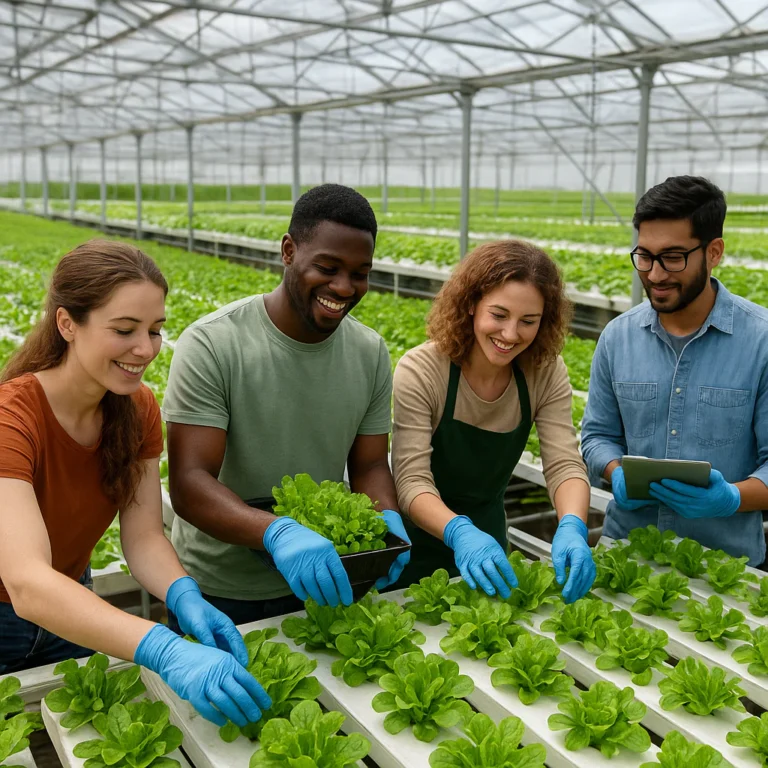
If you think gardening is just dirt and water, think again. Smart hydroponics use sensors to monitor pH, nutrient levels, and light, sending alerts straight to your phone.
- Why it works: Perfect for apartments with no outdoor space. You can grow basil, lettuce, and peppers on your kitchen counter.
- Top Pick: The AeroGarden Harvest Elite is a staple for beginners, offering automated lighting and nutrient reminders.
👉 CHECK PRICE on:
- AeroGarden Harvest Elite: Amazon | Official Site
3. Edible Landscaping Over Ornamental Lawns
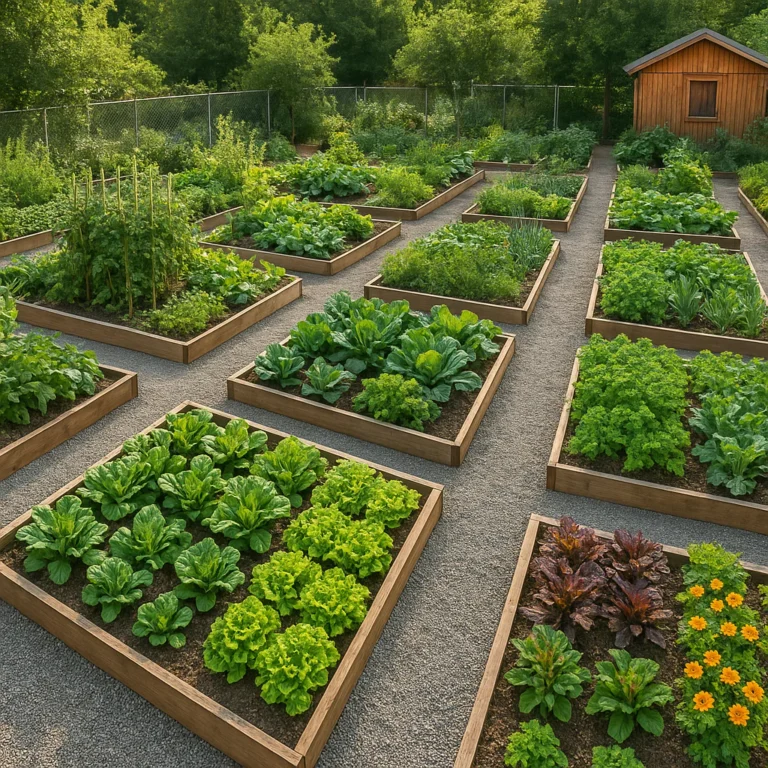
Why have a lawn that does nothing but drink water and require mowing? The trend is shifting toward edible landscaping. Replace your ornamental shrubs with blueberry bushes, swap marigolds for nasturtiums (which are edible!), and plant fruit trees in place of decorative pines.
- Benefit: Immediate ROI on your landscaping investment.
- Tip: Look for dwarf varieties of fruit trees that thrive in containers.
4. Regenerative Soil Practices in Container Gardens
We’re moving away from the “buy new soil every year” mentality. Regenerative practices in containers involve adding compost, using cover crops (like clover in winter), and practicing no-till methods even in pots.
- The Science: This builds soil aggregation, allowing roots to breathe and access water more efficiently.
- Action Step: Start a small compost bin for your kitchen scraps to feed your container garden.
5. Pollinator-Friendly Rooftop Oases
Rooftops are often barren, but they can be pollinator highways. By planting native flowers and creating “bee hotels,” city dwellers are helping bees and butterflies navigate the concrete canyon.
- Impact: Studies show that urban gardens can support a surprising diversity of pollinators, crucial for local food production.
- Plant Pick: Milkweed for Monarchs, Lavender for Bes.
6. Community Garden Co-ops and Shared Harvests
The “lone wolf” gardener is out; the co-op model is in. Neighbors are pooling resources to buy bulk seeds, share tools, and split the harvest. This reduces costs and builds social capital.
- Real Story: In Richmond, the Ginter Urban Gardeners program showed that when you involve the community in the planning, the garden becomes a hub for trust and learning.
- How to Start: Check our Community Garden Events page to find local groups.
7. Drought-Tolerant and Native Plant Selections
With climate change bringing unpredictable weather, drought-tolerant plants are the new heroes. Native plants are adapted to local rainfall patterns and require less water and fertilizer.
- Trend: Choosing plants that can survive a heatwave without constant watering.
- Resource: Learn more about Climate Adaptation in Gardening on our site.
8. Upcycled Planters and DIY Aesthetic Hacks
Sustainability meets style. Old boots, tin cans, and wooden crates are being transformed into unique planters. It’s not just about saving money; it’s about reducing waste and adding character to your space.
- DIY Idea: Turn a wooden pallet into a vertical herb garden with a few screws and some landscape fabric.
9. Micro-Greens and Sprouting for Instant Gratification
Not everyone has the patience for a 90-day tomato. Micro-greens are ready in 7-14 days. They are nutrient-dense and perfect for small kitchens.
- Why we love it: You can harvest a salad in a week. It’s the ultimate “instant gratification” gardening.
- Best for: Radish, broccoli, sunflower, and pea shoots.
10. Solar-Powered Irrigation Solutions
Watering by hand is tedious. Solar-powered drip irrigation systems use the sun to pump water from a reservoir, automating your garden without increasing your electric bill.
- Efficiency: Delivers water directly to the roots, reducing evaporation.
- Brand: Raindrip offers excellent solar-compatible kits.
👉 CHECK PRICE on:
- Raindrip Solar Irrigation Kit: Amazon | Official Site
1. Heirloom Seeds and Biodiversity Preservation
In a world of monocultures, heirloom seeds are a rebellion. They preserve genetic diversity and offer flavors you can’t find in supermarkets.
- The Shift: Gardeners are saving seeds from their best plants to adapt to local conditions, a practice that has been around for millennia.
- Where to buy: Seed Savers Exchange or Baker Creek Heirloom Seeds.
👉 CHECK PRICE on:
- Baker Creek Heirloom Seeds: Amazon | Official Site
12. Balcony Beekeeping and Insect Hotels
Yes, you can keep bees on a balcony! Urban beekeeping is gaining traction, with specialized hives designed for small spaces. If bees are too much, insect hotels provide shelter for solitary bees and beneficial insects.
- Safety: Modern hives are designed to be docile and space-efficient.
- Impact: One hive can pollinate thousands of plants in the surrounding area.
13. Season-Extension Techniques for Year-Round Harvests
Winter doesn’t mean the garden is dead. Cold frames, row covers, and low tunnels allow you to grow greens and root vegetables well into the winter.
- Trend: Growing “cut-and-come-again” salads in cold frames for fresh greens in January.
- Tech: Smart sensors can now monitor temperature inside cold frames and alert you if it drops too low.
14. AI-Driven Plant Care Apps and Sensors
Your phone is now your gardener’s assistant. Apps like PictureThis use AI to identify pests and diseases from a photo, while sensors like Parot Flower Power tell you exactly when to water.
- Accuracy: These tools are getting scary good at diagnosing issues before they become fatal.
- Integration: Many now integrate with smart home systems to automate watering.
15. Biophilic Design Integration in Apartment Living
It’s not just about growing food; it’s about bringing nature inside. Biophilic design uses natural light, plants, and natural materials to improve mental health and well-being.
- Trend: Integrating living walls into interior design, using natural wood shelving for plants, and maximizing natural light.
- Benefit: Proven to reduce stress and improve air quality.
🏙️ Maximizing Tiny Spaces: Balcony, Rooftop, and Window Sill Strategies
Space is the ultimate luxury in the city. But don’t let a 50-square-foot balcony stop you. We’ve seen incredible gardens in spaces smaller than a parking spot.
The Vertical Advantage
When you can’t go out, go up.
- Balcony Railing Planters: Utilize the railing for herbs and flowers.
- Hanging Baskets: Perfect for strawberries and trailing tomatoes.
- Trellises: Train beans, peas, and cucumbers to climb.
Rooftop Considerations
Rooftops offer the most sun but come with challenges:
- Wind: Use windbreaks like trellises or tall grasses.
- Weight: Always check the load-bearing capacity of your building before adding heavy soil or water features.
- Sun Exposure: Rooftops can be hotter; ensure you have adequate shade for heat-sensitive plants.
Window Sill Magic
Even a single window can be a productive garden.
- Orientation: South-facing windows are best for tomatoes and peppers. North-facing are great for leafy greens and herbs.
- Lighting: Supplement with grow lights if natural light is insufficient.
🌿 Best Plants for Low-Light and High-Pollution City Environments
Not every city spot gets 8 hours of sun. And let’s be honest, the air isn’t always fresh. Here are the champions of the concrete jungle.
Low-Light Heroes
- Leafy Greens: Spinach, kale, and Swiss chard thrive in partial shade.
- Herbs: Mint, parsley, and cilantro are surprisingly tolerant of lower light.
- Flowers: Impatiens and Begonias add color without demanding full sun.
Pollution Fighters
Some plants are natural air filters, absorbing pollutants like nitrogen dioxide and particulate matter.
- Spider Plant: A classic for a reason; it’s tough and effective.
- Snake Plant: Perfect for low light and high pollution.
- Peace Lily: Great for humidity and air purification.
Pro Tip: Avoid planting sensitive crops like tomatoes in areas with heavy traffic pollution. Stick to hardy greens and herbs.
💧 Water Wisdom: Efficient Irrigation for Urban Dwellers
Water is precious, and in the city, it can be expensive. Efficient irrigation is not just a trend; it’s a necessity.
Drip Irrigation
Delivers water directly to the roots, minimizing evaporation.
- Best for: Vegetable gardens and container plants.
- Setup: Simple tubing and emitters can be set up in minutes.
Self-Watering Containers
These use a reservoir to keep soil moist, reducing the frequency of watering.
- Ideal for: Busy urbanites who travel often.
- Brands: EarthBox and GreenStalk offer excellent self-watering options.
Rainwater Harvesting
Collecting rainwater from your roof or balcony is a great way to save money and reduce runoff.
- Legal Note: Check local regulations; some cities restrict rainwater collection.
- Setup: A simple barrel with a spigot can make a huge difference.
🐛 Pest Control Without Chemicals in Dense Neighborhoods
Spraying chemicals in a dense neighborhood is a bad idea. Neighbors will notice, and it can harm beneficial insects.
Integrated Pest Management (IPM)
- Prevention: Healthy soil and proper spacing prevent most issues.
- Physical Bariers: Use row covers to keep pests out.
- Biological Control: Encourage beneficial insects like ladybugs and lacewings.
Organic Sprays
- Nem Oil: Effective against aphids and mites.
- Insecticidal Soap: Great for soft-bodied pests.
- Diatomaceous Earth: A natural powder that deters crawling insects.
👉 CHECK PRICE on:
- Nem Oil: Amazon | Official Site
🛠️ Essential Tools and Gear for the Modern City Gardener
You don’t need a tractor, but you do need the right tools.
Must-Haves
- Pruning Shears: Essential for harvesting and maintenance.
- Trowel: For planting in containers.
- Gloves: Protect your hands from thorns and dirt.
- Watering Can: With a long spout for precision.
Tech Gear
- Soil Moisture Meter: No more guessing.
- Grow Light: For indoor or low-light setups.
- Smart Sensors: For automated monitoring.
👉 CHECK PRICE on:
- Felco Pruners: Amazon | Official Site
🚫 Common Urban Gardening Mistakes (And How to Avoid Them)
We’ve all been there. Here are the pitfalls to avoid.
Overcrowding
- Mistake: Planting too many seeds in one pot.
- Fix: Follow spacing guidelines. Crowded plants compete for nutrients and light.
Ignoring Drainage
- Mistake: Using pots without drainage holes.
- Fix: Always drill holes or use pots with built-in drainage. Root rot is the #1 killer of container plants.
Poor Soil Choice
- Mistake: Using garden soil in containers.
- Fix: Use a high-quality poting mix designed for containers. Garden soil compacts in pots.
Neglecting Pollinators
- Mistake: Only planting vegetables.
- Fix: Add flowers to attract bees and butterflies.
🌍 The Environmental Impact: How City Gardens Fight Climate Change
Urban gardens are more than just pretty; they are climate warriors.
Reducing the Heat Island Effect
Plants cool the air through evapotranspiration. A single tree can have the cooling effect of 10 air conditioners.
Carbon Sequestration
Plants absorb CO2. While a small garden won’t solve the climate crisis, millions of them can make a difference.
Biodiversity
Urban gardens provide habitats for birds, bees, and butterflies, creating green corridors through the city.
Food Miles
Growing your own food reduces the carbon footprint associated with transportation and packaging.
🤝 Building Community: Finding Local Groups and Resources
Gardening is better together.
How to Find a Group
- Local Libraries: Often host seed swaps and workshops.
- Community Centers: Look for garden clubs or co-ops.
- Online Platforms: Meetup, Facebook Groups, and local forums.
The Power of Shared Knowledge
Learning from experienced gardeners can save you time and money. Plus, sharing the harvest builds social bonds.
“Are we ready to listen to the answers, whatever they may be?” — Duron Chavis
This quote from the Lewis Ginter program reminds us that the best gardens are built on listening and collaboration.
📊 Urban Gardening Trends Comparison: Traditional vs. Modern Methods
Let’s break down how the old ways stack up against the new.
| Feature | Traditional Methods | Modern Trends |
|---|---|---|
| Space Usage | Horizontal, ground-based | Vertical, modular, and compact |
| Watering | Manual, frequent | Automated, drip, and smart sensors |
| Soil | Garden soil, heavy compost | Poting mixes, hydroponics, regenerative |
| Pest Control | Chemical sprays | IPM, biological controls, organic |
| Tech Integration | None | AI apps, smart sensors, hydroponics |
| Community Focus | Individual plots | Co-ops, shared harvests, social justice |
| Plant Selection | Standard varieties | Heirloms, climate-adaptive, native |
Key Takeaway: The modern approach is more efficient, sustainable, and community-oriented.
🎓 Conclusion

So, is the city a place where nature can truly thrive? Absolutely. The trends we’ve explored—from vertical forests to smart hydroponics—prove that urban gardening is evolving into a sophisticated, resilient, and deeply social practice.
We started by asking if you could grow a garden in a concrete jungle. The answer is a resounding yes, but with a caveat: it’s not just about the plants. It’s about the community, the soil, and the connection to the land, no matter how small the patch.
The shift toward low-input gardening and climate-adaptive plants isn’t just a trend; it’s a necessary evolution for our future. And as we’ve seen with the cabbage craze and the rise of heirloom seeds, there’s a renewed appreciation for the old ways, blended with new technology.
Remember the lesson from the Lewis Ginter program: Listen first. Whether you’re planting a single pot on a windowsill or starting a community garden, the most important step is to engage with your neighbors and your environment.
Ready to start your own urban oasis? Don’t wait for the perfect conditions. Start small, grow together, and watch your city bloom.
🔗 Recommended Links
Ready to get started? Here are some top picks for products and resources mentioned in this article.
Top Tools & Systems
- Vertical Planters: GreenStalk Vertical Planter | Official Site
- Hydroponic Systems: AeroGarden Harvest Elite | Official Site
- Pruning Tools: Felco Pruners | Official Site
- Irrigation: Raindrip Solar Irrigation Kit | Official Site
Seeds & Plants
- Heirloom Seeds: Baker Creek Heirloom Seeds | Official Site
- Organic Pest Control: Nem Oil | Official Site
Books & Resources
❓ FAQ

What plants are best suited for urban gardening in small spaces?
For small spaces, focus on compact varieties and vertical growers.
- Vegetables: Bush beans, cherry tomatoes (determinate varieties), radishes, and lettuce.
- Herbs: Basil, mint, parsley, and chives.
- Flowers: Marigolds, petunias, and nasturtiums.
- Tip: Use hanging baskets and trellises to maximize vertical space.
Read more about “🌿 7 Ways to Build Thriving Vertical Gardening Community Spaces (2026)”
How can community gardens improve social connections in neighborhoods?
Community gardens act as social hubs. They provide a space for neighbors to meet, share skills, and work toward a common goal.
- Trust Building: As seen in the Lewis Ginter program, structured dialog and shared labor foster trust.
- Intergenerational Learning: Elderly residents can share wisdom, while younger gardeners provide physical labor.
- Cultural Exchange: Gardens often become places to share diverse culinary traditions and seeds.
Read more about “🌱 15 Top Community Garden Events & Workshops (2026)”
What tools and technologies are popular in modern urban gardening?
- Smart Sensors: Monitor soil moisture, light, and temperature.
- Hydroponic Systems: Allow for soil-less growing in small spaces.
- AI Apps: Identify pests and diseases from photos.
- Self-Watering Containers: Reduce the need for frequent watering.
- Vertical Planters: Maximize space efficiency.
Read more about “7 Game-Changing Technologies Transforming Community Gardening (2026) 🌱”
How do urban gardening trends support local food production?
Urban gardens reduce food miles and increase access to fresh produce.
- Year-Round Harvests: Season-extension techniques allow for winter growing.
- Biodiversity: Heirloom seeds and diverse crops improve resilience.
- Education: Gardens teach people where food comes from, encouraging healthier eating habits.
Read more about “What Tools & Resources Make a Community Garden Thrive? 🌿 (2026)”
What are the benefits of vertical gardening in urban areas?
- Space Efficiency: Grow more in less space.
- Aesthetics: Turn blank walls into green spaces.
- Air Quality: Plants filter pollutants and cool the air.
- Accessibility: Easier to reach and maintain for people with mobility issues.
Read more about “🌱 7 Permaculture Practices for Thriving Community Gardens (2026)”
How can community gardening promote sustainability in cities?
- Waste Reduction: Composting kitchen scraps reduces landfill waste.
- Water Conservation: Drip irrigation and rainwater harvesting save water.
- Biodiversity: Supports pollinators and beneficial insects.
- Carbon Sequestration: Plants absorb CO2.
Read more about “🌱 7 Steps to Master Advocacy for Urban Agriculture Initiatives (2026)”
What are the latest urban gardening trends for community spaces?
- Co-op Models: Shared resources and harvests.
- Edible Landscaping: Replacing ornamental plants with food.
- Regenerative Practices: Focus on soil health and biodiversity.
- Inclusive Design: Ensuring gardens are accessible to all ages and abilities.
What are effective ways to start a community garden in a city?
- Listen First: Engage with the community to understand their needs.
- Find a Site: Look for vacant lots or rooftops with good sun.
- Build a Team: Recruit neighbors and local organizations.
- Secure Resources: Get funding, tools, and seeds.
- Plan Together: Design the garden with community input.
Read more about “🌧️ 7 Rainwater Harvesting Systems for Gardens That Actually Work (2026)”
How does urban gardening impact local food sustainability?
It creates a resilient food system that is less dependent on long supply chains.
- Freshness: Food is harvested at peak ripeness.
- Nutrition: Fresh produce retains more nutrients.
- Security: Reduces vulnerability to supply chain disruptions.
Read more about “🐟 Aquaponics in Community Gardens: The Ultimate 2026 Guide”
What plants are best for urban community gardens?
- High Yield: Tomatoes, peppers, and beans.
- Easy to Grow: Zucchini, lettuce, and radishes.
- Pollinator Friendly: Sunflowers, borage, and lavender.
- Cultural Significance: Include crops that are important to the local community’s culture.
Read more about “🌱 8 Proven Ways to Master Conflict Resolution in Community Gardens (2026)”
How can urban gardening promote community bonding?
- Shared Goals: Working together on a common project.
- Skill Sharing: Learning from each other.
- Celebration: Sharing the harvest and hosting events.
- Trust: Building relationships through consistent interaction.
Read more about “Container Gardening for Shared Spaces: 7 Genius Hacks to Grow Together 🌿”
What are the latest urban gardening trends for 2025?
- Low Input Gardening: Less fertilizer, more focus on soil structure.
- Climate-Adaptive Plants: Choosing varieties that can handle extreme weather.
- Smart Technology: AI and sensors for plant care.
- Edible Landscaping: Integrating food into urban design.
- Cabbage Craze: Ornamental and edible cabbages are trending.
📚 Reference Links
- Lewis Ginter Botanical Garden: Ginter Urban Gardeners Program
- PHS (Pennsylvania Horticultural Society): Top 10 Gardening Trends 2025 (Note: Access may be restricted due to security blocks)
- Community Gardening™: Benefits of Community Gardens
- Community Gardening™: Edible Plants
- Community Gardening™: Climate Adaptation in Gardening
- USDA: Urban Agriculture and Food Security
- EPA: Urban Heat Island Effect